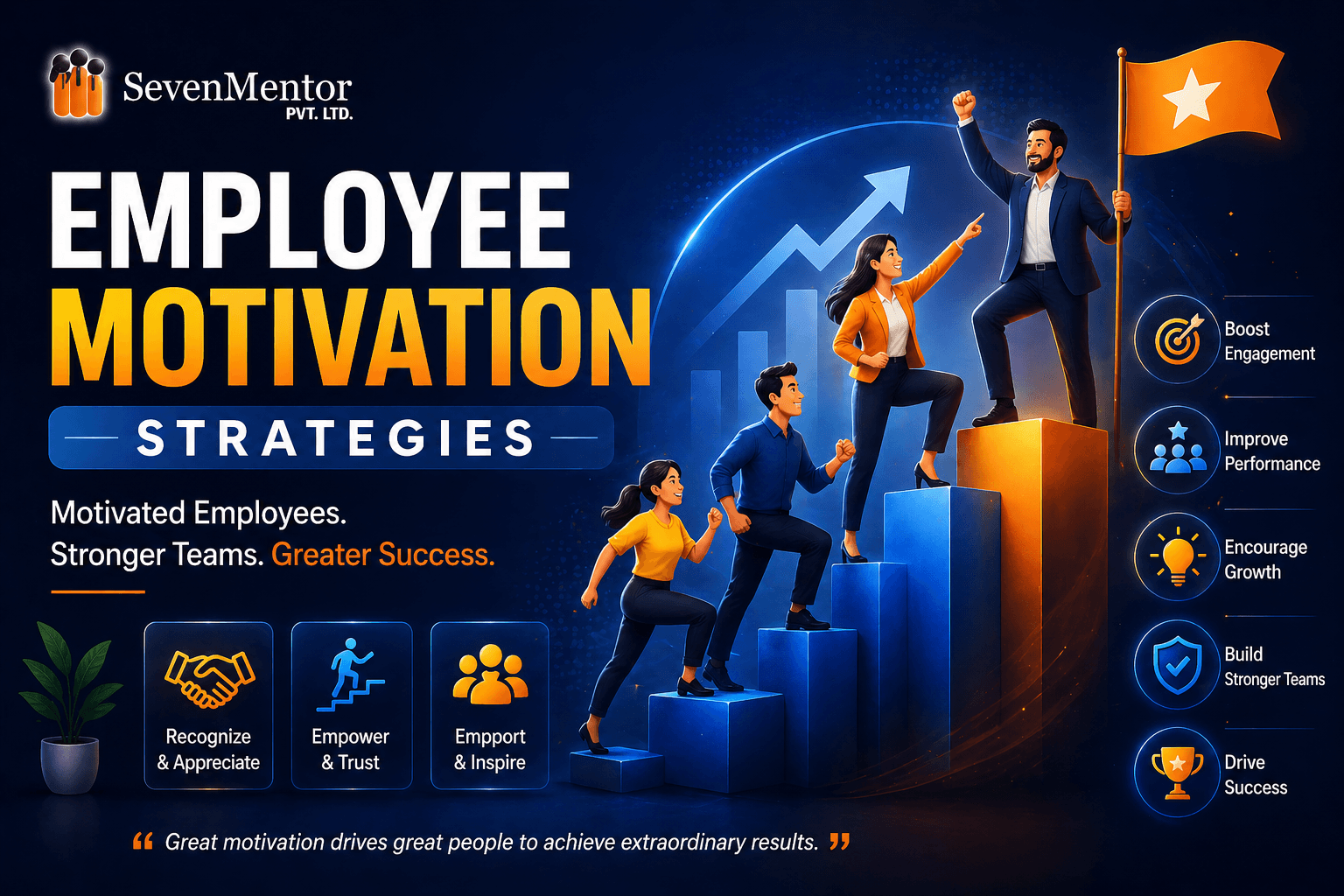
Employee motivation is a key factor in determining an organization’s overall performance and long-term success. When employees feel motivated, they tend to be more productive, committed, and actively involved in their work. In today’s fast-paced and competitive business landscape, Organizations must implement effective strategies to inspire their workforce and retain valuable talent. This article discusses practical approaches that can help create a motivated and high-performing work environment.
Understanding Employee Motivation
Employee motivation refers to the drive and enthusiasm individuals bring to their roles. It generally falls into two categories: intrinsic and extrinsic motivation. Intrinsic motivation arises from internal factors such as personal growth, satisfaction, and passion for the job. In contrast, extrinsic motivation is influenced by external rewards, including financial incentives, recognition, and other benefits.
Key Employee Motivation Strategies

1. Acknowledgment and Recognition
Recognizing employees for their efforts is one of the most effective ways to boost motivation. When individuals feel appreciated, their commitment to their work increases. Simple actions like verbal praise, public acknowledgment, or reward programs can have a strong positive impact.
2. Attractive Compensation and Benefits
Providing fair and competitive pay is essential for maintaining employee satisfaction. Beyond
salaries, organizations should offer additional benefits such as bonuses, health coverage, and
Incentive programs to encourage higher performance.
3. Opportunities for Growth and Development
Employees are more engaged when they see clear paths for advancement. Offering training sessions, skill development programs, and mentorship opportunities helps employees grow professionally and stay motivated.
4. Supportive Work Environment
A positive workplace culture plays a significant role in employee motivation. Encouraging teamwork, maintaining open communication, and fostering mutual respect contribute to a more satisfying work experience.
5. Promoting Work-Life Balance
Employees perform better when they can balance their professional and personal lives. Flexible
Schedules, remote work options, and supportive leave policies can greatly improve overall well-being and motivation.
6. Encouraging Autonomy
Allowing employees to take ownership of their tasks increases their confidence and engagement. When individuals are trusted to make decisions, they feel more responsible and motivated to perform well.
7. Strong Leadership and Clear Communication
Effective leadership is crucial in maintaining motivation. Leaders who communicate clearly, provide guidance, and offer constructive feedback help employees stay focused and aligned with organizational goals.
8. Goal Setting and Regular Feedback
Setting clear and realistic objectives helps employees remain focused. Continuous feedback and performance evaluations enable them to improve and stay motivated over time.
Explore Other Demanding Courses
No courses available for the selected domain.
Advantages of Motivated Employees
Organizations that prioritize employee motivation often experience several benefits, including:
• Improved productivity and efficiency
• Greater job satisfaction and engagement
• Lower employee turnover rates
• Better collaboration among team members
• Stronger overall organizational performance
Motivated employees contribute positively to the workplace and play a vital role in achieving
business success.
Conclusion
Motivating employees is an ongoing process that requires consistent effort and thoughtful strategies. By focusing on recognition, development opportunities, a healthy work environment, and effective leadership, organizations can build a motivated workforce that drives sustainable growth.
Frequently Asked Questions (FAQs):
1. What are employee motivation strategies?
Employee motivation strategies are techniques and approaches used by organizations to inspire, engage, and encourage employees to perform at their best. These strategies can include rewards, recognition, career growth opportunities, and a positive work environment.
2. Why is employee motivation important in the workplace?
Employee motivation is crucial because it increases productivity, improves job satisfaction, reduces employee turnover, and creates a positive workplace culture that drives business success.
3. What are the most effective employee motivation strategies?
Some of the most effective strategies include recognition and rewards programs, career development opportunities, clear communication, flexible work policies, and creating a supportive work environment.
4. How can managers improve employee motivation?
Managers can improve motivation by setting clear goals, providing regular feedback, recognizing achievements, offering growth opportunities, and maintaining open and transparent communication.
5. What role does leadership play in employee motivation?
Leadership plays a key role in employee motivation by setting the tone of the workplace, inspiring teams, building trust, and fostering a culture of appreciation and continuous improvement.
Related Links:
HR Transformation and Strategy
How To Build a Career in HR After Graduation?
Role of HR in Modern Organizations
Do visit our channel to know more: SevenMentor
Author:-
Kajal Shinde
Kajal Shinde
Expert trainer and consultant at SevenMentor with years of industry experience. Passionate about sharing knowledge and empowering the next generation of tech leaders.
Call the Trainer and Book your free demo Class..... Call now!!!
| SevenMentor Pvt Ltd.
© Copyright 2025 | SevenMentor Pvt Ltd.