Java Full Stack Training in Ireland
 A Java full-stack developer uses the Java programming language that interacts with the front-end and the back-end functions.
 Java Full Stack Development encompasses both the front-end (client-side) and back-end (server-side) components of a web application.
  Its done utilising the Java programming language and front-end technologies such as HTML, CSS, JavaScript, and frameworks.
Start Today!
CONSULT WITHOUR ADVISORS
- Course & Curriculum Details
- Flexible Learning Options
- Affordable Learning
- Enrollment Process
- Career Guidance
- Internship Opportunities
- General Communication
- Certification Benefits
Learning Curve for Java Full Stack
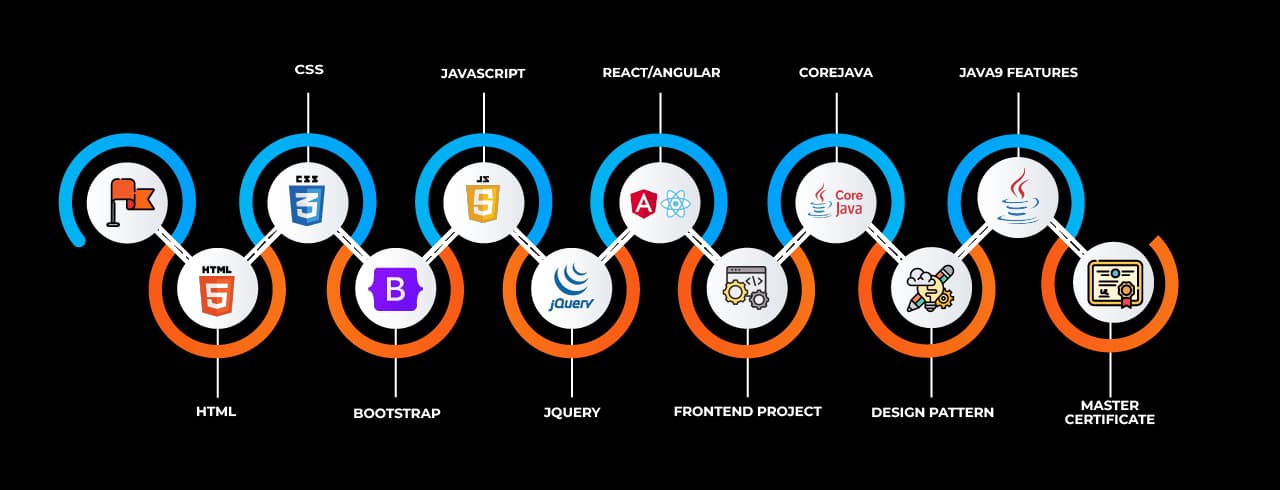
Master In Java Full Stack Course
OneCourseMultipleRoles
Empower your career with in-demand data skills and open doors to top-tier opportunities.
Skills & Tools You'll Learn -
 Unit Testing Test individual components of the application.
 XML HandlingWork with XML data formats using SQL functions and queries.
 CSS3Style websites with CSS3, including layouts, animations, and responsive design for an enhanced user
  JavaScript Gain proficiency in JavaScript to add interactivity and dynamic behavior to web applications.
 React.jsDevelop dynamic and high-performance front-end applications using the React.js library
 Object-Oriented Programming (OOP)A programming paradigm based on objects and classes.
 ContainmentA relationship where one class contains an object of another class (HAS-A relationship).
 PolymorphismAbility of an object to take multiple forms via method overloading and overriding.
 Abstract ClassA class that cannot be instantiated and may contain abstract methods.
 EnumA special Java type representing a fixed set of constants.
 Lambda FunctionsUse Python’s lambda functions for concise, anonymous function expressions in programming
 InheritanceMaster object-oriented programming (OOP) concepts to build modular and reusable code.
 ExceptionsLearn to handle files and manage errors with exception handling techniques in Python.
 Bootstrap Utilize Bootstrap to build mobile-first, responsive websites with pre-designed components and a grid system.
 AngularBuild dynamic and scalable web applications with Angular, utilizing TypeScript and two-way data binding.
 Interface IDoc: An IDoc (Intermediate Document) is a standard data format used in SAP to exchange information between different systems.
 React HooksSpecial functions like useState and useEffect that enable state and lifecycle management in React.
 Maven A build automation tool primarily used for Java projects, managing dependencies and builds.
 Core Java The fundamental part of Java programming, covering OOPs concepts, collections, and multithreading.
 Spring Boot A framework that simplifies Spring application development with auto-configuration and embedded serve
 Graphical User Interface (GUI)Explore SAP GUI types (Windows and Java) and their role in user interaction.
 SQL A database language for querying and managing structured data.
 Swing A Java library for building desktop applications with rich UI components.
 Object Serialization Converting Java objects into a format for storage or transfer.
 Collection Framework Java’s built-in data structures like List, Set, and Map.
 Functional-Style ProgrammingWriting concise, expressive Java code using lambda expressions.
Why Choose SevenMentor Java Full Stack
Empowering Careers with Industry-Ready Skills.

Specialized Pocket Friendly Programs as per your requirements

Live Projects With Hands-on Experience

Corporate Soft-skills & Personality Building Sessions

Digital Online, Classroom, Hybrid Batches

Interview Calls Assistance & Mock Sessions

1:1 Mentorship when required

Industry Experienced Trainers

Class Recordings for Missed Classes

1 Year FREE Repeat Option

Bonus Resources
Specialized Pocket Friendly Programs as per your requirements
Live Projects With Hands-on Experience
Corporate Soft-skills & Personality Building Sessions
Digital Online, Classroom, Hybrid Batches
Interview Calls Assistance & Mock Sessions
1:1 Mentorship when required
Industry Experienced Trainers
Class Recordings for Missed Classes
1 Year FREE Repeat Option
Bonus Resources

Fastest 1:1 doubt support

Flexible EMI Plans

Adaptive LMS

Free Wifi Facilities

Flexible Scheduling

Ongoing Career Support

Placement Drives

GitHub Project Implementations

Real World Topics

5/5 rating for 99% doubt Solutions

Be Different With Master Certificate

Latest Market Technology & Practical Training

Resume Building Session & Job Portals Training

Enhanced Capstone Projects for learning

Stand Out with an impressive Certificate

Weekday and Weekend Batches

Workshops & Seminars with Industry Experts

Unlimited Interview Calls

AWS Cloud Project Deployments

Live Quizzes

Resolve doubts any time through chat, voice notes, calling or meeting with instructors.
Curriculum For Java Full Stack
BATCH SCHEDULE
Java Full Stack Course
Find Your Perfect Training Session
Jul 5 - Jul 11
1 sessionsJul 12 - Jul 18
3 sessionsLearning Comes Alive Through Hands-On PROJECTS!
Comprehensive Training Programs Designed to Elevate Your Career

BudgetFlow App

PetPal App

TravelMate (Travel Planning Platform)

GreenThumb (Gardening and Plant Care App)

Personal Fitness Tracking App
No active project selected.
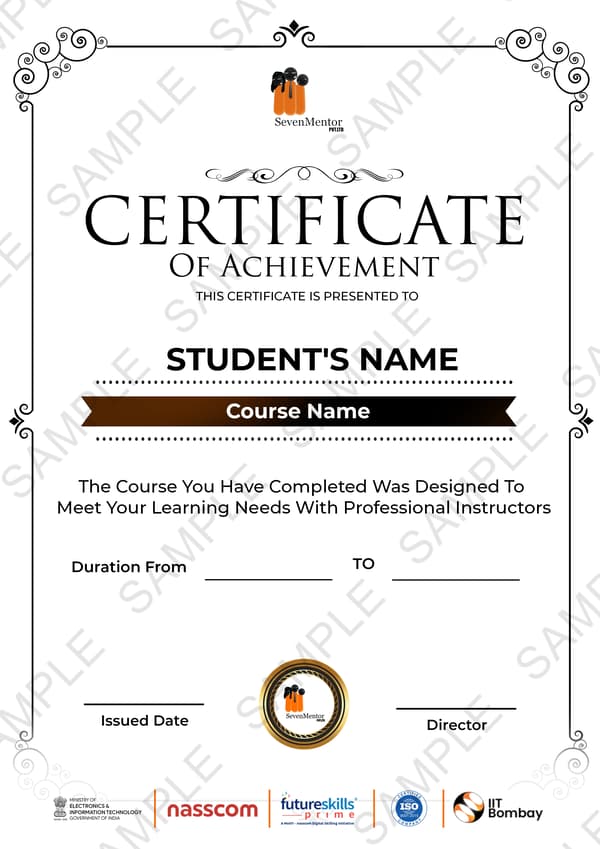
Transform Your Future with Elite Certification
Add Our Training Certificate In Your LinkedIn Profile
Our industry-relevant certification equips you with essential skills required to succeed in a highly dynamic job market.
Join us and be part of over 50,000 successful certified graduates.


KEY Features that Makes Us Better and Best FIT For You
Expert Trainers
Industry professionals with extensive experience to guide your learning journey.
Comprehensive Curriculum
In-depth courses designed to meet current industry standards and trends.
Hands-on Training
Real-world projects and practical sessions to enhance learning outcomes.
Flexible Schedules
Options for weekday, weekend, and online batches to suit your convenience.
Industry-Recognized Certifications
Globally accepted credentials to boost your career prospects.
State-of-the-Art Infrastructure
Modern facilities and tools for an engaging learning experience.
100% Placement Assistance
Dedicated support to help you secure your dream job.
Affordable Fees
Quality training at competitive prices with flexible payment options.
Lifetime Access to Learning Materials
Revisit course content anytime for continuous learning.
Personalized Attention
Small batch sizes for individualized mentoring and guidance.
Diverse Course Offerings
A wide range of programs in IT, business, design, and more.
Course Content
Frequently Asked Questions
Everything you need to know about our revolutionary job platform
Are Java Full Stack Developers in high demand?
Which company is ideal for a Java full stack developer?
What are the prerequisites for the Fullstack Java course?
Is full-stack Java a viable career option?
What is a Java full stack developer's technology stack?
What exactly is the backend of a Java complete stack? What exactly is Full Stack Development?
What capabilities does a Java full stack expert have?
What exactly is Java full stack skills?
What are the advantages of running Java full stack?
What is the point of complete stack?
Is it easy to learn the Java complete stack?
Is full-stack Java a viable career option?
What use does the Java complete stack serve?
Which business is better for full-stack development?
Is Java appropriate for the complete stack?
Explore Other Demanding Courses
No demanding courses available at the moment.
Debug: courses prop type: object, isArray: yes, length: 0
Invest In Your Future With Skills That Matter.
Investing in the right skills at the right place paves the way for long-term career success and growth. SevenMentor Institute equips you with industry-relevant expertise, ensuring you stay ahead in an evolving job market.
Career Support:
Beyond technical training, we provide comprehensive career assistance, including resume building, interview coaching, and job placement support.
Recognized Certification:
Earn globally recognized certifications that validate your expertise and enhance your employability.
Company Tie-Ups:
We collaborate with leading corporations, startups, and multinational companies to provide our students with exclusive job opportunities, internships, and industry exposure.
Take the first step to fast-track your future!