Java Training in Parel
 Java is a programming language and computing platform used to build programs.
 It is an object-oriented language, which is founded on the idea of classes and objects.
 To generate flexible and reusable code, it employs fundamental concepts such as classes, objects
Start Today!
CONSULT WITHOUR ADVISORS
- Course & Curriculum Details
- Flexible Learning Options
- Affordable Learning
- Enrollment Process
- Career Guidance
- Internship Opportunities
- General Communication
- Certification Benefits
Learning Curve for Java
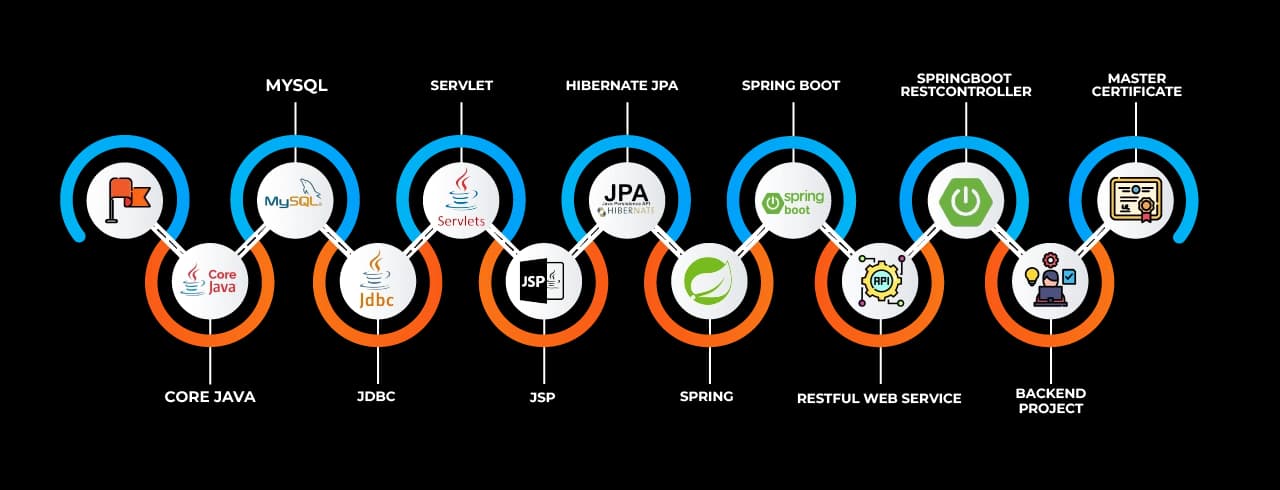
Master In Java Course
OneCourseMultipleRoles
Empower your career with in-demand data skills and open doors to top-tier opportunities.
Skills & Tools You'll Learn -
 Object-Oriented Programming (OOP)A programming paradigm based on objects and classes.
 Introduction to JavaOverview of Java's history, features, and applications.
 Java Language FundamentalsCore concepts like variables, data types, operators, and control flow.
 ContainmentA relationship where one class contains an object of another class (HAS-A relationship).
 PolymorphismAbility of an object to take multiple forms via method overloading and overriding.
 Abstract ClassA class that cannot be instantiated and may contain abstract methods.
 AnnotationsMetadata used to provide instructions to the compiler or runtime.
 EnumA special Java type representing a fixed set of constants.
 InheritanceMaster object-oriented programming (OOP) concepts to build modular and reusable code.
 Interface IDoc: An IDoc (Intermediate Document) is a standard data format used in SAP to exchange information between different systems.
Why Choose SevenMentor Java
Empowering Careers with Industry-Ready Skills.

Specialized Pocket Friendly Programs as per your requirements

Live Projects With Hands-on Experience

Corporate Soft-skills & Personality Building Sessions

Digital Online, Classroom, Hybrid Batches

Interview Calls Assistance & Mock Sessions

1:1 Mentorship when required

Industry Experienced Trainers

Class Recordings for Missed Classes

1 Year FREE Repeat Option

Bonus Resources
Specialized Pocket Friendly Programs as per your requirements
Live Projects With Hands-on Experience
Corporate Soft-skills & Personality Building Sessions
Digital Online, Classroom, Hybrid Batches
Interview Calls Assistance & Mock Sessions
1:1 Mentorship when required
Industry Experienced Trainers
Class Recordings for Missed Classes
1 Year FREE Repeat Option
Bonus Resources

Fastest 1:1 doubt support

Flexible EMI Plans

Adaptive LMS

Free Wifi Facilities

Flexible Scheduling

Ongoing Career Support

Placement Drives

GitHub Project Implementations

Real World Topics

5/5 rating for 99% doubt Solutions

Be Different With Master Certificate

Latest Market Technology & Practical Training

Resume Building Session & Job Portals Training

Enhanced Capstone Projects for learning

Stand Out with an impressive Certificate

Weekday and Weekend Batches

Workshops & Seminars with Industry Experts

Unlimited Interview Calls

AWS Cloud Project Deployments

Live Quizzes

Resolve doubts any time through chat, voice notes, calling or meeting with instructors.
Curriculum For Java
BATCH SCHEDULE
Java Course
Find Your Perfect Training Session
Jul 5 - Jul 11
1 sessionsJul 12 - Jul 18
3 sessionsLearning Comes Alive Through Hands-On PROJECTS!
Comprehensive Training Programs Designed to Elevate Your Career

Inventory Management System

Online Learning Platform

Healthcare Management System

Job Portal System

Book Management System
No active project selected.
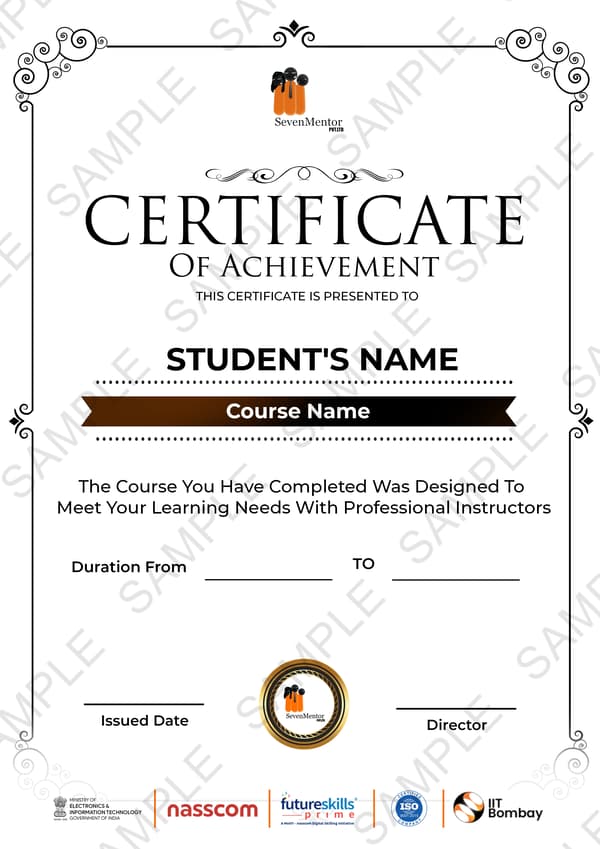
Transform Your Future with Elite Certification
Add Our Training Certificate In Your LinkedIn Profile
Our industry-relevant certification equips you with essential skills required to succeed in a highly dynamic job market.
Join us and be part of over 50,000 successful certified graduates.


KEY Features that Makes Us Better and Best FIT For You
Expert Trainers
Industry professionals with extensive experience to guide your learning journey.
Comprehensive Curriculum
In-depth courses designed to meet current industry standards and trends.
Hands-on Training
Real-world projects and practical sessions to enhance learning outcomes.
Flexible Schedules
Options for weekday, weekend, and online batches to suit your convenience.
Industry-Recognized Certifications
Globally accepted credentials to boost your career prospects.
State-of-the-Art Infrastructure
Modern facilities and tools for an engaging learning experience.
100% Placement Assistance
Dedicated support to help you secure your dream job.
Affordable Fees
Quality training at competitive prices with flexible payment options.
Lifetime Access to Learning Materials
Revisit course content anytime for continuous learning.
Personalized Attention
Small batch sizes for individualized mentoring and guidance.
Diverse Course Offerings
A wide range of programs in IT, business, design, and more.
Course Content
Frequently Asked Questions
Everything you need to know about our revolutionary job platform
What is the significance of the Java skill?
How does Java apply in real life?
What is the main application of Java?
Is studying Java still worthwhile in 2025?
Is Java required for a placement?
What is the definition of specialization in Java?
What exactly are the four varieties of Java?
What exactly is oops in Java?
Is a Java profession a wise choice?
Do corporations prefer Java or Python?
Is Java a suitable placement option?
Can I find work after completing Java?
What about Java's future?
How do I get a Java position?
What are some of the advantages of Java?
Explore Other Demanding Courses
No demanding courses available at the moment.
Debug: courses prop type: object, isArray: yes, length: 0
Invest In Your Future With Skills That Matter.
Investing in the right skills at the right place paves the way for long-term career success and growth. SevenMentor Institute equips you with industry-relevant expertise, ensuring you stay ahead in an evolving job market.
Career Support:
Beyond technical training, we provide comprehensive career assistance, including resume building, interview coaching, and job placement support.
Recognized Certification:
Earn globally recognized certifications that validate your expertise and enhance your employability.
Company Tie-Ups:
We collaborate with leading corporations, startups, and multinational companies to provide our students with exclusive job opportunities, internships, and industry exposure.
Take the first step to fast-track your future!