Python Classes in Germany
 Master Python with Hands-On Training from Industry Experts
 Accelerate Your Career with SevenMentor’s Real-World Python Expertise
 Build Scalable and Efficient Solutions by Gaining In-Demand Python Skills
Start Today!
CONSULT WITHOUR ADVISORS
- Course & Curriculum Details
- Flexible Learning Options
- Affordable Learning
- Enrollment Process
- Career Guidance
- Internship Opportunities
- General Communication
- Certification Benefits
Learning Curve for Python
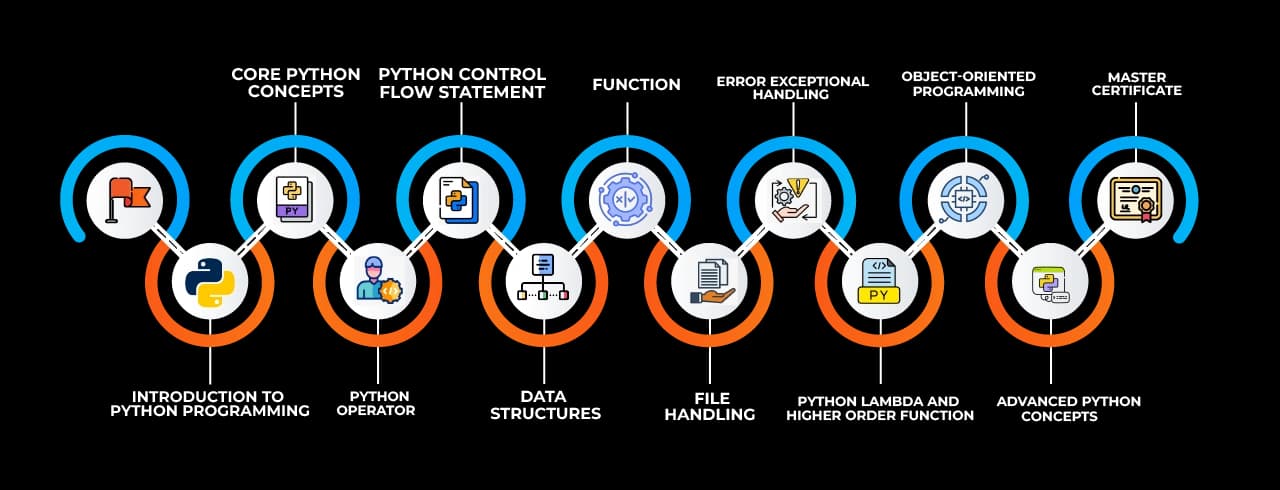
Master In Python Course
OneCourseMultipleRoles
Empower your career with in-demand data skills and open doors to top-tier opportunities.
Skills & Tools You'll Learn -
 PythonImmerse yourself in the realm of Python and discover how this adaptable programming language streamlines the coding process, positioning it as an excellent option for a multitude of applications.
 Data TypesAcquire a solid understanding of the various data types available in Python, which are crucial for effectively storing, manipulating, and processing information.
 Numbers, Strings, Lists, TuplesDelve into these core data structures to learn strategies for managing and organizing data effortlessly.
 Dictionaries Uncover the advantages of key-value storage systems that enhance data accessibility while making organization and retrieval more efficient.
 Sets, Variables, Constants Familiarize yourself with defining unique values and managing changing variables alongside utilizing constants to improve code efficiency.
 Control Structures, Conditional StatementsBecome proficient at guiding the flow of your program through logical conditions by mastering decision-making within Python.
 Loops, FunctionsDevelop an organized coding methodology by automating repetitive tasks and compartmentalizing your code for easier maintenance.
 Arguments, Lambda Functions Explore innovative methods for passing data into functions while harnessing one-liner lambda expressions for rapid execution.
 Modules, PackagesImprove code structure and reusability by incorporating pre-existing or custom modules tailored specifically for optimized programming practices.
 Standard LibraryUtilize Python’s extensive suite of built-in functionalities that simplify intricate operations through ready-to-use tools.
 OperationsDeepen your comprehension of arithmetic along with logical and bitwise operations that underpin effective Python programming.
  ComprehensionsEnhance your coding experience using concise techniques offered by Python for generating lists, dictionaries, and sets quickly.
 File HandlingAcquire best practices in reading from writing to files efficiently so you can ensure smooth data management within your applications.
 Errors, ExceptionsCultivate skills needed to recognize issues swiftly while addressing them effectively to promote uninterrupted program operation.
 Raising Exceptions, Custom ExceptionsHandle particular problems in your applications by putting custom exceptions into effect and taking charge of error management.
 Classes, Objects, Class Attributes Use Python's object-oriented programming methodology with practical applications to create scalable and reusable code.
 Polymorphism and inheritanceUse OOP concepts to improve your code structure, which encourage flexibility, reusability, and effective design.
 Pandas Learn how to manipulate ordered information for practical purposes by gaining practical experience with Pandas (Data Manipulation).
 NumpyGain a solid foundation in numerical computing using NumPy (Numerical Computing and Array Manipulation), which enables the management of big datasets with ease.
 Real-time Project on PythonPrepare to engage in some of the best projects in Python, paving the way for a new learning experience that enhances your problem-solving skills.
Why Choose SevenMentor Python
Empowering Careers with Industry-Ready Skills.

Specialized Pocket Friendly Programs as per your requirements

Live Projects With Hands-on Experience

Corporate Soft-skills & Personality Building Sessions

Digital Online, Classroom, Hybrid Batches

Interview Calls Assistance & Mock Sessions

1:1 Mentorship when required

Industry Experienced Trainers

Class Recordings for Missed Classes

1 Year FREE Repeat Option

Bonus Resources
Specialized Pocket Friendly Programs as per your requirements
Live Projects With Hands-on Experience
Corporate Soft-skills & Personality Building Sessions
Digital Online, Classroom, Hybrid Batches
Interview Calls Assistance & Mock Sessions
1:1 Mentorship when required
Industry Experienced Trainers
Class Recordings for Missed Classes
1 Year FREE Repeat Option
Bonus Resources

Fastest 1:1 doubt support

Flexible EMI Plans

Adaptive LMS

Free Wifi Facilities

Flexible Scheduling

Ongoing Career Support

Placement Drives

GitHub Project Implementations

Real World Topics

5/5 rating for 99% doubt Solutions

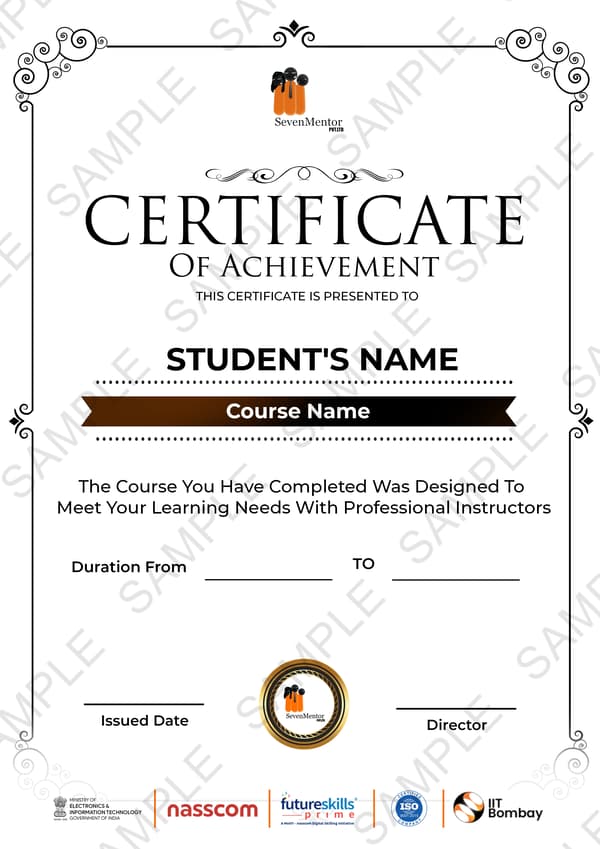
Be Different With Master Certificate

Latest Market Technology & Practical Training

Resume Building Session & Job Portals Training

Enhanced Capstone Projects for learning

Stand Out with an impressive Certificate

Weekday and Weekend Batches

Workshops & Seminars with Industry Experts

Unlimited Interview Calls

AWS Cloud Project Deployments

Live Quizzes

Resolve doubts any time through chat, voice notes, calling or meeting with instructors.
Curriculum For Python
BATCH SCHEDULE
Python Course
Find Your Perfect Training Session
Jul 5 - Jul 11
1 sessionsJul 12 - Jul 18
3 sessionsLearning Comes Alive Through Hands-On PROJECTS!
Comprehensive Training Programs Designed to Elevate Your Career

Expense Tracker

Student Management System

Real-Time Stock Market Data Visualization

Automated Data Analysis with Pandas and NumPy
No active project selected.
Transform Your Future with Elite Certification
Add Our Training Certificate In Your LinkedIn Profile
Our industry-relevant certification equips you with essential skills required to succeed in a highly dynamic job market.
Join us and be part of over 50,000 successful certified graduates.


KEY Features that Makes Us Better and Best FIT For You
Expert Trainers
Industry professionals with extensive experience to guide your learning journey.
Comprehensive Curriculum
In-depth courses designed to meet current industry standards and trends.
Hands-on Training
Real-world projects and practical sessions to enhance learning outcomes.
Flexible Schedules
Options for weekday, weekend, and online batches to suit your convenience.
Industry-Recognized Certifications
Globally accepted credentials to boost your career prospects.
State-of-the-Art Infrastructure
Modern facilities and tools for an engaging learning experience.
100% Placement Assistance
Dedicated support to help you secure your dream job.
Affordable Fees
Quality training at competitive prices with flexible payment options.
Lifetime Access to Learning Materials
Revisit course content anytime for continuous learning.
Personalized Attention
Small batch sizes for individualized mentoring and guidance.
Diverse Course Offerings
A wide range of programs in IT, business, design, and more.
Course Content
Frequently Asked Questions
Everything you need to know about our revolutionary job platform
Will SevenMentor provide me with study resources for the Python course?
What job options are available to me once I finish the Python course?
Does this Python course require in-person attendance, or is it offered online?
Are there any assignments that are practical based in this Python course?
How does Python certification enhance my career progression?
Are there any prerequisites for enrolling in a SevenMentor Institute Python course?
What sets SevenMentor apart as an excellent option for Python training?
What is the duration of the Python course?
Does SevenMentor provide job placement assistance after completing the Python course?
Which tools and technologies will I learn during this Python course?
What teaching approach does SevenMentor use for their Python training?
Does this Python course include advanced topics, or is it strictly for beginners?
What are the benefits of taking Python training at SevenMentor compared to self-learning?
Explore Other Demanding Courses
No demanding courses available at the moment.
Debug: courses prop type: object, isArray: yes, length: 0
Invest In Your Future With Skills That Matter.
Investing in the right skills at the right place paves the way for long-term career success and growth. SevenMentor Institute equips you with industry-relevant expertise, ensuring you stay ahead in an evolving job market.
Career Support:
Beyond technical training, we provide comprehensive career assistance, including resume building, interview coaching, and job placement support.
Recognized Certification:
Earn globally recognized certifications that validate your expertise and enhance your employability.
Company Tie-Ups:
We collaborate with leading corporations, startups, and multinational companies to provide our students with exclusive job opportunities, internships, and industry exposure.
Take the first step to fast-track your future!