ReactJs Classes in France
 Master modern web development with SevenMentor’s ReactJS course.
 Learn efficient techniques to build dynamic, responsive, and high-performing user interfaces.
 Strengthen your coding skills and advance your career with hands-on ReactJS training designed for real-world applications.
-1744726793819.webp&w=3840&q=75)
Start Today!
CONSULT WITHOUR ADVISORS
- Course & Curriculum Details
- Flexible Learning Options
- Affordable Learning
- Enrollment Process
- Career Guidance
- Internship Opportunities
- General Communication
- Certification Benefits
Learning Curve for ReactJs in France
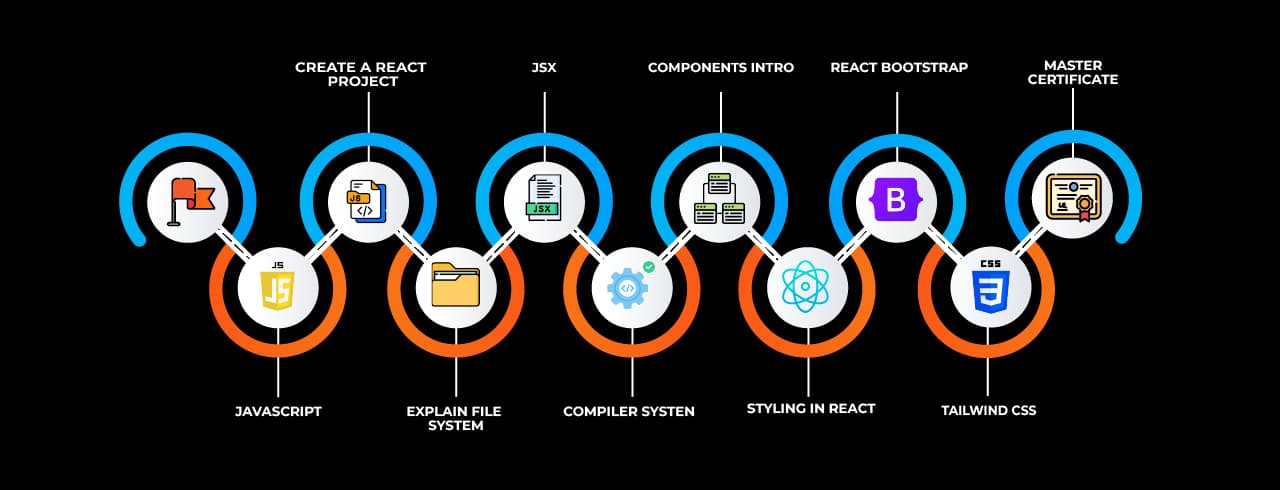
Master In ReactJs in France Course
OneCourseMultipleRoles
Empower your career with in-demand data skills and open doors to top-tier opportunities.
Skills & Tools You'll Learn -
 React.jsDevelop dynamic and high-performance front-end applications using the React.js library
 React Router DOMManages navigation and routing in React applications for seamless page transitions.
 Axios A JavaScript library for making HTTP requests to fetch or send data from APIs.
 Visual Studio Code A lightweight, feature-rich code editor widely used for web development.
 Reusable componentsModular UI elements that can be reused across different parts of an application.
 Create React AppA tool to quickly set up a new React project with a standard build configuration.
 Development environment setupInitial configuration of tools and libraries needed for React development.
 JSXA syntax extension that allows writing HTML-like code within JavaScript files.
 React syntax extension The JSX syntax that makes UI code more readable and declarative.
 Embedding expressions Inserting dynamic JavaScript values directly inside JSX.
 Embedding JavaScriptUsing JS logic within JSX to render dynamic content.
 className attributeThe JSX-compatible way to assign CSS classes to elements.
 Functional Components Stateless components defined as functions for simpler UI logic.
 Class ComponentsTraditional components using ES6 classes to manage state and lifecycle.
 PropsInputs passed to components to customize behavior and render dynamic content.
 StateA built-in object that holds data that changes over time within a component.
 useState hookA React hook for adding state to functional components.
 Component Life CyclePhases in a component's life—mounting, updating, and unmounting.
 Lifecycle methods (e.g., componentDidMount)Special functions in class components triggered at specific lifecycle stages.
useEffect hook A hook to perform side effects like data fetching or DOM manipulation in functional components.
PropTypesA type-checking tool to ensure props passed to components match expected data types.
Lifecycle methods (e.g., componentDidMount)Special functions in class components triggered at specific lifecycle stages.
useEffect hook A hook to perform side effects like data fetching or DOM manipulation in functional components.
PropTypesA type-checking tool to ensure props passed to components match expected data types.
 Event handlingManaging user interactions like clicks and form submissions in React.
 onChangeTriggers when an input field’s value changes.
 onSubmitHandles form submissions with custom logic.
 Event-driven logicReacting to user interactions using JavaScript functions.
 React Context APIProvides a way to pass data through the component tree without prop drilling.
 Prop drillingPassing props through multiple layers of components unnecessarily.
 React RouterA routing library for managing navigation in React apps.
 RoutingStructuring the app into multiple pages using routes.
Why Choose SevenMentor ReactJs in France
Empowering Careers with Industry-Ready Skills.

Specialized Pocket Friendly Programs as per your requirements

Live Projects With Hands-on Experience

Corporate Soft-skills & Personality Building Sessions

Digital Online, Classroom, Hybrid Batches

Interview Calls Assistance & Mock Sessions

1:1 Mentorship when required

Industry Experienced Trainers

Class Recordings for Missed Classes

1 Year FREE Repeat Option

Bonus Resources
Specialized Pocket Friendly Programs as per your requirements
Live Projects With Hands-on Experience
Corporate Soft-skills & Personality Building Sessions
Digital Online, Classroom, Hybrid Batches
Interview Calls Assistance & Mock Sessions
1:1 Mentorship when required
Industry Experienced Trainers
Class Recordings for Missed Classes
1 Year FREE Repeat Option
Bonus Resources

Fastest 1:1 doubt support

Flexible EMI Plans

Adaptive LMS

Free Wifi Facilities

Flexible Scheduling

Ongoing Career Support

Placement Drives

GitHub Project Implementations

Real World Topics

5/5 rating for 99% doubt Solutions

Be Different With Master Certificate

Latest Market Technology & Practical Training

Resume Building Session & Job Portals Training

Enhanced Capstone Projects for learning

Stand Out with an impressive Certificate

Weekday and Weekend Batches

Workshops & Seminars with Industry Experts

Unlimited Interview Calls

AWS Cloud Project Deployments

Live Quizzes

Resolve doubts any time through chat, voice notes, calling or meeting with instructors.
Curriculum For ReactJs in France
BATCH SCHEDULE
ReactJs in France Course
Find Your Perfect Training Session
Jul 5 - Jul 11
1 sessionsJul 12 - Jul 18
3 sessionsLearning Comes Alive Through Hands-On PROJECTS!
Comprehensive Training Programs Designed to Elevate Your Career

Event Ticketing System

To-Do List App

E-commerce Store

Blog Platform

Personal Finance Tracker
No active project selected.
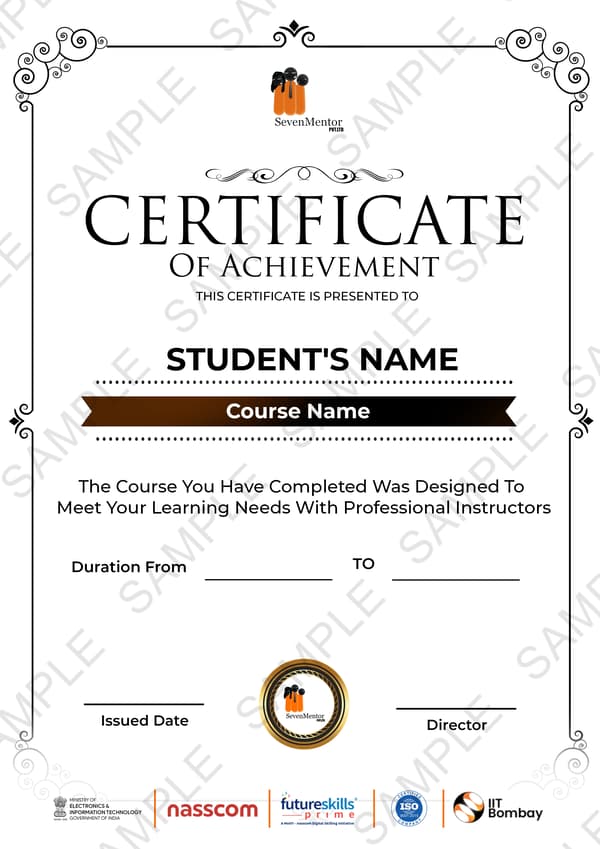
Transform Your Future with Elite Certification
Add Our Training Certificate In Your LinkedIn Profile
Our industry-relevant certification equips you with essential skills required to succeed in a highly dynamic job market.
Join us and be part of over 50,000 successful certified graduates.


KEY Features that Makes Us Better and Best FIT For You
Expert Trainers
Industry professionals with extensive experience to guide your learning journey.
Comprehensive Curriculum
In-depth courses designed to meet current industry standards and trends.
Hands-on Training
Real-world projects and practical sessions to enhance learning outcomes.
Flexible Schedules
Options for weekday, weekend, and online batches to suit your convenience.
Industry-Recognized Certifications
Globally accepted credentials to boost your career prospects.
State-of-the-Art Infrastructure
Modern facilities and tools for an engaging learning experience.
100% Placement Assistance
Dedicated support to help you secure your dream job.
Affordable Fees
Quality training at competitive prices with flexible payment options.
Lifetime Access to Learning Materials
Revisit course content anytime for continuous learning.
Personalized Attention
Small batch sizes for individualized mentoring and guidance.
Diverse Course Offerings
A wide range of programs in IT, business, design, and more.
Course Content
Frequently Asked Questions
Everything you need to know about our revolutionary job platform
What is ReactJS course at SevenMentor Institute?
How long does the ReactJS training last at SevenMentor?
Is this ReactJS course good for beginners?
What skills will I learn in ReactJS course?
Do you cover real React projects in training?
Is ReactJS course available online?
What's the fee structure of SevenMentor’s ReactJS course?
Do I need coding background to join React course?
What if I miss a class or don’t understand a topic?
Will I get certificate after ReactJS training?
Are SevenMentor React trainers experienced?
Can this course help me get a React developer job?
Do you teach Redux and Context API too?
Is Git and Deployment part of the syllabus?
How to enroll in SevenMentor’s ReactJS course?
Explore Other Demanding Courses
No demanding courses available at the moment.
Debug: courses prop type: object, isArray: yes, length: 0
Invest In Your Future With Skills That Matter.
Investing in the right skills at the right place paves the way for long-term career success and growth. SevenMentor Institute equips you with industry-relevant expertise, ensuring you stay ahead in an evolving job market.
Career Support:
Beyond technical training, we provide comprehensive career assistance, including resume building, interview coaching, and job placement support.
Recognized Certification:
Earn globally recognized certifications that validate your expertise and enhance your employability.
Company Tie-Ups:
We collaborate with leading corporations, startups, and multinational companies to provide our students with exclusive job opportunities, internships, and industry exposure.
Take the first step to fast-track your future!